
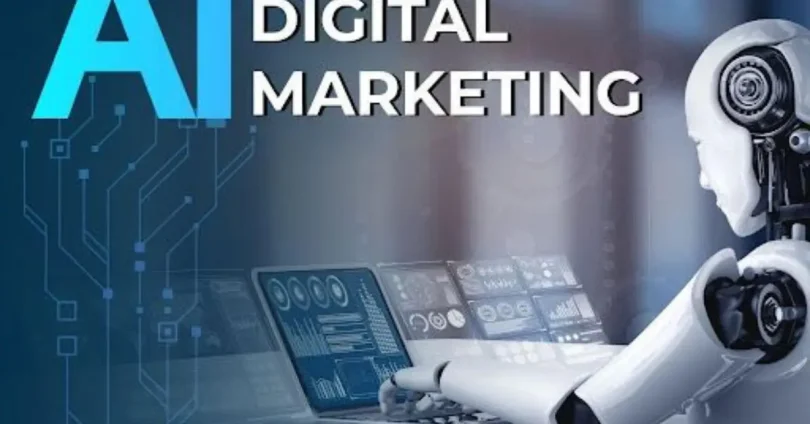

Artificial intelligence is no longer a futuristic idea reserved for science fiction. It has firmly established itself as a core driver of innovation, efficiency, and competitive advantage across industries. In 2026, AI trends in business are not just about automation or cost savings; they are about reshaping how organizations think, operate, and grow. From startups to global corporations, companies are leveraging AI to enhance customer experience, optimize operations, make smarter decisions, and unlock new revenue streams.
This article explores the most significant AI trends in business today, how they are being applied, the challenges and opportunities they present, and how organizations can benefit from adopting them strategically.
What Are AI Trends in Business
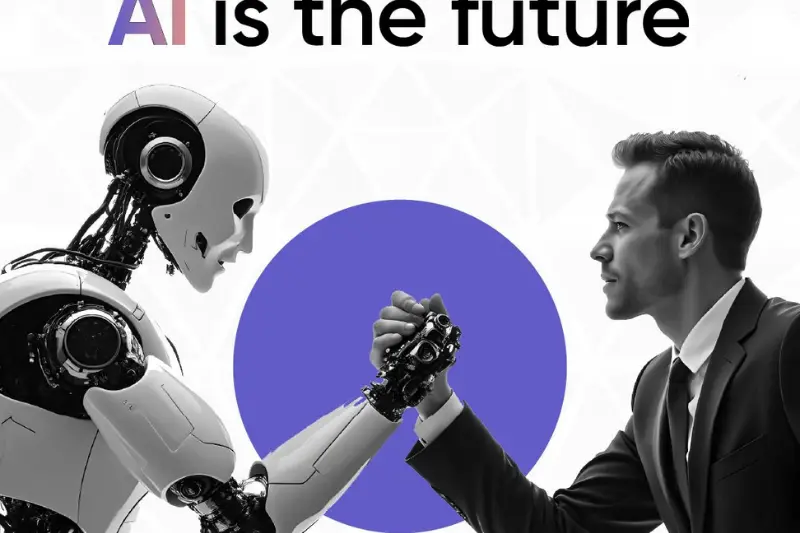
AI trends in business refer to evolving patterns in the adoption, development, and application of artificial intelligence within commercial and organizational contexts. These trends reflect both technological advances and shifts in business priorities. They span areas such as machine learning, automation, predictive analytics, natural language processing, robotics, and ethical governance.
As technology matures, businesses are moving from piloting AI projects to scaling AI across their core operations.
Data-Driven Decision Making
One of the most transformative AI trends in business is the shift toward data-driven decision making. Companies today produce and collect more data than ever before. AI systems help interpret this data, identify patterns, and deliver insights that are beyond human capacity to calculate quickly.
Machine learning models analyze customer behavior to predict buying patterns, optimize supply chains based on real-time demand, and forecast financial outcomes with greater accuracy. Decision makers use dashboards powered by AI analytics to understand trends, monitor performance, and adapt strategies promptly.
Automation and Intelligent Processes
Automation remains a pillar among AI trends in business. Beyond simple task automation, intelligent automation uses AI to handle complex, judgment-based tasks. This includes robotic process automation (RPA) combined with machine learning to manage workflows that once required human intervention.
For example, AI can automate invoice processing, detect fraud in financial transactions, and handle customer service interactions through chatbots. This results in faster processing times, reduced errors, lower costs, and the ability for human workers to focus on strategic priorities rather than repetitive tasks.
AI-Powered Customer Experience
Improving customer experience is a central AI trend in business. Companies use AI to personalize interactions, tailor recommendations, and provide real-time support. Retailers and e-commerce platforms leverage recommendation engines that suggest products based on browsing and purchase history. AI chatbots offer 24/7 support, answer queries with natural language understanding, and escalate issues when necessary.
Sentiment analysis tools allow businesses to monitor customer feedback on social media, reviews, and surveys to understand public perception and respond proactively.
Predictive Analytics
Predictive analytics uses AI models to forecast future events based on historical data. This trend in business allows organizations to anticipate demand, predict equipment failure, detect risks, and personalize marketing campaigns.
In manufacturing, predictive maintenance systems monitor machinery sensors to schedule repairs before breakdowns occur, minimizing downtime. In finance, algorithms predict credit risk and investment trends, enabling more informed lending and portfolio decisions. Marketing teams use predictive models to understand which customers are most likely to convert and optimize campaign spending.
You may also like to read these posts:
Gadget News Online: Latest Tech and Device Updates
How to Use Smartphone: Easy Beginner Guide
How to Fix PC Problems: Easy Troubleshooting Guide
Software Tutorial Online: Learn Software Step by Step
AI in Human Resources and Talent Management
AI is increasingly used in HR functions, one of the key AI trends in business that often goes unnoticed. Recruitment platforms use AI to screen resumes, assess candidate fit, and even handle initial interviews using chat and voice bots. These systems can reduce bias and speed up hiring cycles.
AI tools also help track employee engagement, predict attrition, and recommend personalized training paths. By analyzing performance data, organizations can better understand workforce needs and improve retention strategies.
Enhanced Cybersecurity
As cyber threats grow in scale and sophistication, AI becomes essential to business security. AI trends in business indicate a shift toward AI-driven threat detection and response systems. These systems monitor network activity, detect unusual behavior, and respond in real time to potential breaches.
AI algorithms can analyze patterns of normal usage and identify anomalies that may indicate a security incident. Automated responses can isolate affected systems and notify security teams immediately, reducing potential damage.
Natural Language Processing and Communication

Natural language processing (NLP) is a major AI trend in business that improves communication between humans and machines. NLP enables voice assistants, language translation, sentiment analysis, and sophisticated chatbots.
Companies leverage NLP to analyze customer feedback, extract insights from large volumes of text, and automate content creation. Voice interfaces integrated into software applications make technology more accessible and easier to use for non-technical employees and customers alike.
AI Ethics and Responsible Use
As AI adoption grows, the focus on ethical AI and governance also becomes a critical trend. Businesses are increasingly expected to ensure that their AI systems are fair, transparent, and free from bias. Responsible AI frameworks and guidelines help organizations build trust with customers and regulators.
AI ethics involves considerations around privacy, accountability, explainability of models, and eliminating discriminatory outcomes. Companies are creating internal AI ethics boards and investing in auditing tools that detect bias and ensure alignment with ethical standards.
AI and Cloud Integration
Cloud computing continues to be a catalyst for AI adoption. Integrating AI with cloud platforms allows businesses to scale their AI applications without heavy infrastructure investments. Cloud AI services provide pre-built models, development tools, and scalable computing resources.
This trend in business democratizes access to AI capabilities for small and medium enterprises that may not have large data science teams. Developers can build and deploy AI solutions faster using cloud-based APIs and services.
AI in Sales and Marketing
AI trends in business are reshaping how sales and marketing teams operate. Predictive lead scoring helps identify high-value prospects, while AI-driven recommendation engines personalize offers for each customer. Marketing automation platforms use AI to schedule campaigns, optimize ad targeting, and measure campaign performance.
Sales teams benefit from AI insights that suggest the next best actions, forecast sales pipeline outcomes, and automate follow-up messages. This leads to more efficient processes and improved conversion rates.
AI in Supply Chain and Logistics
AI helps businesses optimize supply chains by predicting disruptions, improving demand forecasting, and enhancing route planning. Autonomous vehicles and drones are beginning to play a role in inventory management and delivery.
Logistics companies use AI to monitor shipping conditions and predict delays, helping companies adjust plans in real time. This trend in business increases efficiency, lowers transportation costs, and improves customer satisfaction.
AI for Financial Management
Finance departments are leveraging AI for tasks such as expense tracking, fraud detection, compliance reporting, and forecasting. AI models can analyze financial data at scale, uncover hidden trends, and support budgeting decisions.
Automated financial systems reduce manual errors and provide real-time insights that improve financial planning and risk management.
Challenges of AI Adoption in Business
While AI offers many benefits, businesses face challenges in adoption. These include data quality issues, skill gaps in AI expertise, integration with legacy systems, and concerns about job displacement. Companies must invest in training, data governance, and change management to ensure successful implementation.
How Businesses Can Prepare for AI
To take advantage of AI trends, businesses should start with a clear strategy that aligns with organizational goals. This includes:
Assessing current processes and identifying areas where AI adds value
Investing in data infrastructure and quality
Building or hiring AI talent
Establishing ethical guidelines and governance frameworks
Testing small pilots before scaling solutions
By following these steps, companies can reduce risk and maximize the impact of AI technologies.
Future of AI in Business
Looking ahead, AI will continue to evolve and merge with other technologies like the Internet of Things, robotics, augmented reality, and quantum computing. Businesses that adapt early will benefit from increased agility, innovation, and resilience in a competitive landscape.
AI trends in business will likely include autonomous decision systems, personalized digital experiences at scale, human-AI collaboration, and intelligent enterprise software that anticipates needs before humans ask.
Frequently Asked Questions
What are the top AI trends in business today
Top trends include automation, predictive analytics, AI-powered customer experience, cybersecurity enhancement, and ethical AI governance.
How does AI improve business efficiency
AI automates repetitive tasks, analyzes large datasets quickly, and provides insights that help optimize operations and reduce costs.
Is AI replacing human jobs in business
While some jobs may change, AI augments human roles by taking over routine tasks, allowing employees to focus on creativity and higher-level thinking.
What industries benefit most from AI trends in business?
Healthcare, finance, manufacturing, retail, logistics, and marketing are among the industries benefiting significantly.
How can small businesses adopt AI?
Small businesses can start with cloud-based AI services, focus on specific use cases, and invest in training to gradually integrate AI into their operations.
Conclusion
AI trends in business are reshaping every industry by enabling smarter decision making, improving efficiency, and creating new opportunities. From automation and predictive analytics to enhanced cybersecurity and ethics, AI is no longer optional but essential for competitive success. By understanding and adopting key AI trends strategically, businesses can innovate, grow, and build resilience for the future.