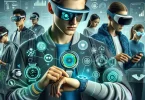


The digital world is evolving at an unprecedented pace. As we move further into 2026, new technologies and digital practices are reshaping how people live, work, communicate, learn, and entertain themselves. Understanding the latest digital trends 2026 gives companies, creators, and individuals a competitive edge by showing what’s driving innovation and user behavior. From artificial intelligence being deeply integrated into daily tools to immersive experiences and more secure digital identities, this year’s trends point to a smarter, more connected future.
This article explores the most significant digital trends of 2026, why they matter, and how they are changing industries and everyday life.
Artificial Intelligence Everywhere

One of the most influential of the latest digital trends 2026 is the widespread adoption of artificial intelligence. AI is no longer limited to niche applications or research labs. It is embedded in everyday solutions like shopping recommendations, search engines, smart assistants, and business systems. AI today understands context better, adapts to user preferences, and can generate content, analyze behavior, and automate workflows.
AI is also transforming industries like healthcare with diagnostics and personalized medicine, education with adaptive learning, and customer service with intelligent chatbots.
Personalization and Predictive Experiences
Today’s digital experiences are expected to be tailored to individual needs. One of the latest digital trends 2026 is the expansion of personalization powered by data and AI. Websites, apps, and services use predictive analytics to offer content, recommendations, and experiences based on what users have done before. This trend improves engagement, increases satisfaction, and boosts conversion rates in digital marketing, e-commerce, and online media.
Web3 and Digital Ownership
Web3 technologies continue to influence the digital ecosystem in 2026. Web3 is based on decentralized principles that aim to give users more control over their data, identity, and digital assets. Blockchain technology, decentralized finance, and non-fungible tokens are part of this movement. These technologies are enabling new business models, digital economies, and ways for users to own and monetize content or digital goods.
Immersive Technologies: AR and VR
Augmented reality (AR) and virtual reality (VR) are no longer experimental; they are part of mainstream digital experiences. The latest digital trends 2026 show that AR is used for navigation, shopping previews, and interactive learning. VR continues to expand beyond gaming into virtual workspaces, collaborative training, and immersive storytelling.
Mixed reality — combining digital content with real-world environments — is helping people interact with digital information more naturally.
Edge Computing and Real-Time Processing
As the number of connected devices rises, processing data closer to where it is generated becomes crucial. Edge computing reduces latency and improves performance, making real-time applications more efficient. This trend is powering smart cities, autonomous vehicles, industrial automation, and IoT ecosystems. In 2026, edge technology helps deliver faster responses and enhanced privacy by keeping sensitive data local.
Sustainable Tech Initiatives
Sustainability is a core focus of digital innovation in 2026. Digital systems and cloud platforms are being designed to consume less energy and reduce carbon emissions. Green digital trends include energy-efficient data centers, renewable energy for cloud infrastructure, and software that optimizes power usage. Consumers and businesses increasingly prefer technology that supports sustainability goals.
Cybersecurity and Trusted Digital Identities
With digital transformation accelerating, security remains one of the latest digital trends 2026. Cyberattacks are becoming more sophisticated, leading to stronger emphasis on data protection, threat detection, and secure authentication systems. Zero-trust frameworks, biometric security, and encrypted digital identities help protect systems, personal data, and digital interactions. Trust and privacy are key priorities for users and enterprises.
5G and Next-Gen Connectivity
High-speed connectivity such as 5G networks is driving many digital innovations. Faster download speeds, low latency, and better network reliability support streaming, gaming, smart cities, telemedicine, and remote work. As connectivity continues to improve, more devices and applications benefit from real-time experiences.
Automation and Intelligent Workflows
Automation powered by AI and machine learning is another major trend. Smart automation reduces repetitive work in business processes, allowing employees to focus on strategy and creativity. From automated customer support to workflow orchestration, digital automation is improving efficiency and lowering operational costs across industries.
Data and Analytics Everywhere

The ability to capture and analyze data remains a foundational trend. Data analytics tools empower businesses to understand trends, make predictions, and optimize strategies. Predictive analytics, real-time dashboards, and AI-enhanced reporting are helping organizations stay agile, anticipate challenges, and personalize user experiences.
You may also like to read these posts:
AI Trends in Business Transforming 2026
Social Media Trends Today You Should Know
Online Marketing Trends You Need to Know
Software Review 2026: Top Tools and Trends
Voice and Conversational Interfaces
Voice interfaces and conversational AI continue to evolve. Smart assistants, voice search, and interactive voice response systems allow users to interact with technology without typing. These interfaces are becoming more contextual and intuitive, improving accessibility and user convenience across devices.
Digital Health Innovation
Healthcare is one of the fastest-growing areas of digital transformation. Wearables, telehealth platforms, AI diagnosis tools, and remote monitoring technologies are redefining patient care. The latest digital trends 2026 include personalized health insights, real-time monitoring, and virtual care experiences that make healthcare more proactive and accessible.
Digital Learning and Online Education
Education technology continues to transform how people learn. The latest digital trends 2026 include virtual classrooms, adaptive learning platforms, and immersive educational content that uses AR and VR. Digital learning tools support personalized pacing, interactive lessons, and skill development for lifelong learners.
Frequently Asked Questions
What are the top digital trends in 2026?
Key digital trends include artificial intelligence everywhere, Web3 adoption, edge computing, immersive technologies, and strong cybersecurity practices.
Why is AI important in digital trends?
AI powers personalization, automation, predictive analytics, and intelligent experiences that enhance efficiency and user engagement.
How does sustainability affect digital technology?
Sustainable digital technology reduces environmental impact, improves energy usage, and aligns tech development with global climate goals.
Are immersive technologies widely used now?
Yes, AR and VR are increasingly used in education, retail, training, and virtual meetings.
What role does cybersecurity play in digital trends?
Cybersecurity protects data, ensures privacy, and builds trust as digital systems become more common.
Conclusion
The latest digital trends 2026 highlight a world that is more connected, intelligent, and integrated than ever before. From AI and immersive technologies to sustainability and cybersecurity, these trends are shaping how users interact with digital systems, how businesses operate, and how industries evolve. Adapting to these trends helps organizations innovate, remain competitive, and deliver better experiences in an ever-changing digital landscape.